What to Expect During a Professional Interior Painting Project

Hiring professional interior house painters in Winnipeg is one of the easiest ways to refresh and transform your home’s interior. However, many homeowners aren’t sure what the process involves or what to expect once they decide to move forward.

Understanding the steps involved can help you feel confident and prepared while ensuring a smooth experience from start to finish. Whether you’re repainting a single room or updating your entire home, here’s what typically happens during a professional interior painting project.

Step 1: The Initial Consultation

Every successful painting project begins with a consultation.

During this stage, a painting professional will assess the scope of the project and discuss your goals.

Topics often include:

  • Rooms to be painted
  • Desired colours
  • Paint finishes
  • Areas requiring repairs
  • Project timeline
  • Budget considerations

This is also an opportunity to ask questions and discuss any concerns you may have about the process.

A thorough consultation helps ensure everyone is aligned before work begins.

Step 2: Receiving a Detailed Estimate

After evaluating the project, you’ll receive an estimate outlining the work to be completed.

A professional estimate typically includes:

  • Surface preparation
  • Labour costs
  • Materials
  • Number of coats
  • Repairs if required
  • Project timeline

Reviewing the estimate carefully helps avoid misunderstandings and ensures expectations are clear from the outset.

Step 3: Colour Selection and Planning

If colours haven’t already been selected, many professional painters can provide guidance during this phase.

Colour selection involves more than simply choosing a shade from a sample card.

Professionals can help homeowners consider:

  • Natural lighting
  • Existing décor
  • Room size
  • Paint finish options
  • Colour flow throughout the home

This planning stage often prevents costly mistakes and helps create a cohesive appearance.

Step 4: Preparing the Space

Preparation is one of the most important steps in achieving a professional finish.

Before painting begins, the crew will typically:

Protect Furniture and Flooring

Furniture may be moved or covered, and floors are protected using drop cloths and coverings.

Remove Wall Fixtures

Switch plates, outlet covers, artwork, and other removable items are often taken down.

Repair Surface Imperfections

Small dents, nail holes, cracks, and drywall damage are repaired before painting.

Sand and Clean Surfaces

Proper preparation ensures paint adheres correctly and creates a smooth, even finish.

While preparation may not be the most visible part of the project, it has a major impact on the final result.

Step 5: Priming When Necessary

Not every project requires primer, but it plays an important role in certain situations.

Primer may be recommended when:

  • Covering dark colours
  • Painting over repairs
  • Addressing stains
  • Painting new drywall
  • Improving paint adhesion

Using the appropriate primer helps ensure consistent colour and long-lasting performance.

Step 6: Professional Paint Application

Once preparation is complete, painting begins.

Professional painters use proven techniques to achieve smooth, uniform coverage.

This often includes:

  • Cutting in around edges
  • Rolling walls evenly
  • Applying multiple coats as needed
  • Maintaining consistent coverage
  • Inspecting work throughout the process

Experienced painters understand how to avoid common issues such as roller marks, drips, and uneven finishes.

Step 7: Cleanup and Final Touches

A professional interior painting project doesn’t end when the final coat dries.

Cleanup is an important part of the process.

The crew will typically:

  • Remove coverings and materials
  • Reinstall switch plates and fixtures
  • Dispose of debris
  • Complete touch-ups
  • Inspect all painted surfaces

The goal is to leave your home clean, organized, and ready to enjoy.

Step 8: Final Walkthrough

Before the project is officially complete, a final walkthrough is usually conducted.

During this inspection, homeowners can review the finished work and address any questions or concerns.

This final quality check helps ensure complete 100% satisfaction with the project.

Questions to Ask Before Hiring a Painter

When considering a professional interior painting contractor vs DIY, it’s important to ask the right questions.

Consider discussing:

  • Experience with interior painting
  • Insurance coverage
  • References or reviews
  • Preparation procedures
  • Paint products used
  • Warranty information
  • Expected project timeline

A reputable contractor will be happy to provide clear answers and explain their process.

Why Professional Preparation Matters

Many homeowners focus primarily on the painting itself, but preparation is often what determines the quality and longevity of the finished result.

Professional preparation helps:

  • Improve paint adhesion
  • Create smoother finishes
  • Reduce future maintenance
  • Increase durability
  • Enhance overall appearance

The extra attention to detail often makes a significant difference in how the final project looks and performs over time.

Ready to Refresh Your Home?

A professional interior painting project should be a smooth and stress-free experience. From the initial consultation to the final walkthrough, every step is designed to deliver beautiful, lasting results that enhance your home’s appearance and value.

At Prestige Paint, we take pride in providing exceptional craftsmanship, thorough preparation, and outstanding customer service throughout every project.

Ready to transform your home’s interior? Contact Prestige Paint today for a free estimate and discover the difference professional painting can make.
Read More

Choosing the Right Paint Colour for Every Room in Your Winnipeg Home

Choosing paint colours is one of the most exciting parts of any interior painting project, but it can also be one of the most overwhelming. With thousands of shades available and countless design trends to consider, many Winnipeg homeowners struggle to feel confident in their decision.

The good news is that selecting the right paint colour doesn’t have to be complicated. By considering how each room is used, the amount of natural light it receives, and the overall style of your home, you can create spaces that feel comfortable, cohesive, and timeless.

Whether you’re updating a single room or planning a complete interior refresh, these tips can help you choose colours you’ll enjoy for years to come.

Start with the Purpose of the Room

Before looking at paint samples, think about how the room is used. Colour has a significant impact on mood and can influence how a space feels.

A busy family room may benefit from warm, welcoming tones, while a bedroom may feel more relaxing with cooler, softer colours. Understanding the function of the room provides a strong starting point for narrowing down your options.

Best Paint Colours for Living Rooms

The living room is often the heart of the home. It’s where families gather, guests are entertained, and everyday life happens.

Popular living room colours include:

  • Warm whites
  • Soft greys
  • Greige (a blend of grey and beige)
  • Taupe tones
  • Light earth-inspired colours

These shades create a versatile backdrop that works well with changing furniture, décor, and design styles.

For homeowners looking to add more personality, muted greens, soft blues, and warm terracotta accents can introduce colour without overwhelming the space.

Choosing Colours for Bedrooms

Bedrooms should feel calm, comfortable, and restful.

Many homeowners gravitate toward soothing colours such as:

  • Soft blue
  • Sage green
  • Light grey
  • Warm beige
  • Off-white

These colours promote relaxation and create a peaceful environment at the end of the day.

While bold colours can make a statement, they’re often best reserved for accent walls or decorative elements rather than the entire room.

Kitchen Paint Colour Ideas

The kitchen is one of the busiest rooms in any home and often benefits from bright, clean colours.

Popular kitchen paint colours include:

Crisp White

White remains one of the most timeless choices for kitchens. It creates a clean appearance and helps smaller kitchens feel larger.

Light Grey

Grey offers a modern look while remaining neutral and versatile.

Warm Beige

For homeowners seeking a softer and more inviting atmosphere, beige and cream tones provide warmth without feeling dated.

Soft Green

Muted greens continue to grow in popularity, bringing a natural and fresh feel to kitchen spaces.

Creating a Spa-Like Bathroom

Bathrooms are increasingly being designed as spaces for relaxation.

Soft colours that work particularly well include:

  • Pale blue
  • Seafoam green
  • Warm white
  • Soft grey
  • Light taupe

These shades help create a clean, airy atmosphere while complementing tile, fixtures, and cabinetry.

When selecting bathroom paint, it’s also important to choose products designed to withstand higher moisture levels.

Paint Colours for Home Offices

With more people working remotely, home office design has become increasingly important.

The right paint colour can help improve focus and productivity.

Some excellent choices include:

  • Soft blue
  • Sage green
  • Warm grey
  • Muted charcoal
  • Off-white

These colours provide a professional appearance while reducing visual distractions.

Don’t Forget About Natural Light

One of the biggest mistakes homeowners make is choosing paint colours without considering how lighting affects their appearance.

A colour that looks perfect in a store or online may appear completely different once it’s applied to your walls.

North-Facing Rooms

These rooms typically receive cooler, indirect light. Warm paint colours often help balance the space and prevent it from feeling too cold.

South-Facing Rooms

South-facing rooms receive abundant natural light throughout the day. Many colours work well in these spaces because the lighting tends to enhance warmth and brightness.

East-Facing Rooms

Morning light is bright and warm, while afternoon light becomes cooler. Paint colours may appear different throughout the day.

West-Facing Rooms

West-facing rooms receive warmer evening light, which can intensify certain paint colours later in the day.

Testing samples on multiple walls before committing to a colour is always recommended.

Common Paint Colour Mistakes to Avoid

Choosing Paint Too Quickly

Many homeowners select colours based on a small sample chip. Larger sample areas provide a much more accurate representation of how the colour will appear.

Ignoring Existing Finishes

Flooring, countertops, cabinets, and furniture all influence how paint colours look. Consider the room as a whole rather than selecting paint in isolation.

Following Trends Too Closely

Trendy colours can be appealing, but timeless shades often provide better long-term satisfaction. Consider incorporating trends through décor and accessories rather than committing to highly specific paint colours throughout the home.

Using Too Many Colours

While variety can add interest, too many competing colours can make a home feel disconnected. Creating a cohesive colour palette helps rooms flow naturally from one space to another.

Why Professional Colour Guidance Can Help

Choosing paint colours may seem simple, but experienced painters understand how lighting, finishes, and room layouts affect the final result.

Professional guidance can help homeowners:

  • Narrow down overwhelming options
  • Create a cohesive whole-home colour scheme
  • Select appropriate paint finishes
  • Avoid costly repainting mistakes
  • Achieve the desired look with confidence

Many homeowners discover that a little professional paint advice saves significant time and frustration during the decision-making process.

Transform Your Home with the Right Colours

The right paint colour can completely change how a room feels. Whether you’re creating a cozy living room, a relaxing bedroom, or a bright and inviting kitchen, thoughtful colour selection is one of the most important parts of any interior painting project.

At Prestige Paint, we help homeowners choose colours that complement their space, lifestyle, and personal style. From colour consultations to professional application, our team is committed to delivering beautiful results that you’ll enjoy for years to come.

Need help selecting the perfect paint colours? Contact Prestige Paint today for a free consultation and estimate.

Read More

How Often Should You Repaint Your Home’s Interior?

How Often Should You Repaint Your Home’s Interior?

A fresh coat of paint to your home’s interior can completely transform the look and feel. Beyond aesthetics, new interior paint also serves as a protective layer that helps preserve your walls from everyday wear and tear. However, many Winnipeg homeowners aren’t sure when it’s time to repaint. Should you wait until paint is peeling? Is fading a sign it’s overdue? How long should paint actually last?

The truth is that there is no one-size-fits-all answer. The lifespan of interior paint depends on factors such as room usage, moisture levels, sunlight exposure, and the quality of the previous paint job. Understanding the recommended repainting schedule for different areas of your home can help you maintain a clean, attractive, and well-protected living space.

Average Repainting Timeline by Room

Different rooms experience different levels of activity, which directly impacts how often they should be repainted.

Living Rooms and Dining Rooms: Every 5–7 Years

Living rooms and dining rooms generally experience moderate traffic. If quality paint was applied properly, these spaces can often go several years before needing a refresh. However, homes with children, pets, or heavy daily use may require repainting sooner.

Bedrooms: Every 5–8 Years

Adult bedrooms tend to experience less wear than other areas of the home. As a result, paint often lasts longer. Guest bedrooms may go even longer between paint jobs, while children’s rooms typically require more frequent updates due to marks, scratches, and changing design preferences.

Children’s Bedrooms: Every 2–4 Years

Kids are tough on walls. Crayon marks, fingerprints, furniture bumps, and changing tastes often make children’s rooms one of the most frequently repainted spaces in a home.

Kitchens: Every 3–5 Years

Kitchens are exposed to cooking grease, moisture, temperature fluctuations, and frequent cleaning. Even high-quality paint can begin to show wear more quickly in these conditions.

Bathrooms: Every 3–4 Years

Humidity and moisture make bathrooms particularly challenging environments for paint. Proper surface preparation and high-quality moisture-resistant products can extend the lifespan of paint, but most bathrooms still benefit from repainting every few years.

Hallways, Entryways, and Stairwells: Every 2–5 Years

These are among the highest-traffic areas in most homes. Scuffs, dents, fingerprints, and general wear often appear much sooner than in other rooms.

Signs It’s Time to Repaint

Even if your walls haven’t reached the typical repainting timeline, certain signs may indicate it’s time to hire a professional residential painting service.

Fading Colours

Natural sunlight can gradually fade paint over time, especially in rooms with large windows. What once looked vibrant may begin to appear dull and washed out.

Scuffs and Stains

Minor marks can often be cleaned, but eventually walls accumulate enough stains and scuffs that cleaning no longer restores their appearance.

Peeling or Cracking Paint

Peeling, cracking, or bubbling paint is often a sign that the existing coating has failed. This can occur due to moisture problems, poor preparation, or simply age.

Outdated Colours

Sometimes the paint itself remains in good condition, but your style preferences change. Repainting is one of the easiest and most affordable ways to update the look of your home.

Visible Repairs

Patches from drywall repairs, nail holes, or renovations often become noticeable over time. Repainting helps create a uniform finish throughout the room.

Factors That Affect Paint Lifespan

Several factors influence how long interior paint will last.

Quality of Paint

Higher-quality paints generally provide better coverage, improved washability, and greater durability. While premium products may cost more initially, they often last significantly longer.

Surface Preparation

Proper preparation is one of the most important parts of any painting project. Cleaning surfaces, repairing imperfections, sanding, and priming where necessary all contribute to a longer-lasting finish.

Sunlight Exposure

Rooms that receive significant direct sunlight often experience faster fading and paint deterioration than shaded areas.

Humidity Levels

Moisture can weaken paint over time. Bathrooms, kitchens, laundry rooms, and basements often require more frequent maintenance.

Household Activity

Busy households with children and pets naturally place more wear on painted surfaces. Hallways, mudrooms, and family rooms are particularly vulnerable.

Benefits of Repainting Before Problems Develop

Many homeowners wait until paint is visibly damaged before scheduling a repaint. However, hiring professional painters in Winnipeg for proactive maintenance offers several advantages.

Improved Appearance

Fresh paint instantly brightens a room and creates a cleaner, more modern appearance.

Better Protection

Paint helps protect drywall and trim from moisture, dirt, and daily wear. Repainting before damage occurs can help prevent more costly repairs later.

Increased Home Value

A well-maintained interior creates a positive impression on guests and potential buyers. Fresh paint is often one of the most cost-effective improvements homeowners can make before listing a property.

Easier Maintenance

Newer paint finishes are often easier to clean and maintain, helping walls look better for longer.

When to Hire a Professional Interior Painter

While some Winnipeg homeowners tackle small painting projects themselves, larger interior painting projects often benefit from hiring professional Winnipeg painters.

Professional painters can help ensure:

  • Proper surface preparation
  • Smooth, even coverage
  • Clean lines and detailed finishing
  • Efficient project completion
  • Long-lasting results

They can also identify and address underlying issues such as moisture damage, drywall imperfections, or previous paint failures before applying new coatings.

Give Your Home a Fresh New Look

If your walls are showing signs of wear or it’s simply time for an update, repainting can dramatically improve the appearance and comfort of your home. Whether you’re refreshing a single room or planning a complete interior makeover, investing in professional painting services helps ensure beautiful, durable results.

At Prestige Paint, we provide high-quality interior painting services designed to enhance and protect your home. Contact Rick today for a free estimate and discover how a fresh coat of paint can transform your living space.

Read More

Interior Painting Tips for Bungalows

Making Smaller Spaces Feel Bigger and Brighter


Bungalows are beloved for their cozy layouts, but that intimacy can sometimes make interiors feel smaller or darker than they really are. The right paint colours and finishes can dramatically transform your space, enhancing natural light, adding visual depth, and creating a fresh, open feeling. At Prestige Painting, our team of interior painters help homeowners turn compact floor plans into spacious, welcoming environments.

Light Colours, Big Impact


Lighter shades like off-white, pale grey, or soft beige reflect light and make rooms appear larger. Pair these with bright white trim to define edges cleanly. Semi-gloss finishes on trim and doors can help bounce light, giving the illusion of more space. For ceilings, always choose a shade slightly lighter than your walls as it subtly lifts the room.

Create Flow Between Rooms


Bungalows often have open or semi-open layouts, so continuity is key. Use a consistent colour palette throughout to maintain visual flow. Accent walls can still work beautifully, just choose locations that create direction or anchor a focal point, such as behind a fireplace or in a dining area.

Colour Psychology Indoors


Cool tones like light blue or sage can make smaller rooms feel calm and airy. Warmer neutrals, such as soft clay or sand, add coziness without feeling confined. Winnipeg painters familiar with bungalow interiors understand how lighting – specially north- vs. south-facing windows – affects these tones throughout the day.

Professional Finish Matters


Hiring professional painters ensures your bungalow’s interiors look seamless and polished. Prestige Painting takes care of prep work, patching, sanding, and priming, which all influence the final result. We use low-VOC paints for healthier indoor air quality. This is especially important in single-level homes where airflow can be limited.

If you’re ready to make your bungalow’s interior brighter, fresher, and more inviting, connect with Prestige Painting. We are your trusted interior bungalow painters in Winnipeg.

Read More

How To Prepare Interior Walls For Painting

Prepping your interior walls properly is one of the most important steps to getting professional-looking paint results. In Winnipeg’s dry winters and humid summers, surface prep is essential for paint to adhere and last.

Preparation Steps:

  1. Clean the Walls: Remove dust, grease, or scuff marks with a damp cloth and mild detergent
  2. Repair Holes and Cracks: Use filler or patch compound
  3. Sand Smooth: Lightly sand to even out surfaces
  4. Tape Edges: Protect trim, switches, and baseboards
  5. Prime: Especially important when covering dark colours or new drywall

Skipping prep might save time in the short term, but it often leads to peeling, uneven coats, or bubbling down the line. For flawless results, take the time to prep—or bring in a Winnipeg interior painter from Prestige who can do it right from the start.

Read More

What Is The Difference Between Interior & Exterior House Paint?

As a homeowner in Winnipeg, choosing the right paint for your home is more than just picking colours—it’s also about picking the right type of paint for the job. Knowing the difference between interior and exterior house paint can help you avoid costly mistakes and ensure your project lasts through all four Manitoba seasons.

Interior Paint:

  • Designed for indoor conditions
  • Emphasizes easy cleaning, low odor, and smooth finishes
  • Not built to withstand rain, snow, or extreme temperatures

Exterior Paint:

  • Formulated for temperature changes, moisture, and UV exposure
  • Contains additives to prevent mold, mildew, and fading
  • Provides durability against Winnipeg’s harsh winters and humid summers

Important Tip: Never use interior paint outside. It won’t hold up and could start peeling within weeks. Likewise, using exterior paint indoors can result in strong fumes and unnecessary additives.

Choosing the right paint for each surface is key to getting a professional finish and lasting results. When in doubt, reach out to a Winnipeg painting company like us here at Prestige who can help you select the best products for your climate and your goals.

Read More

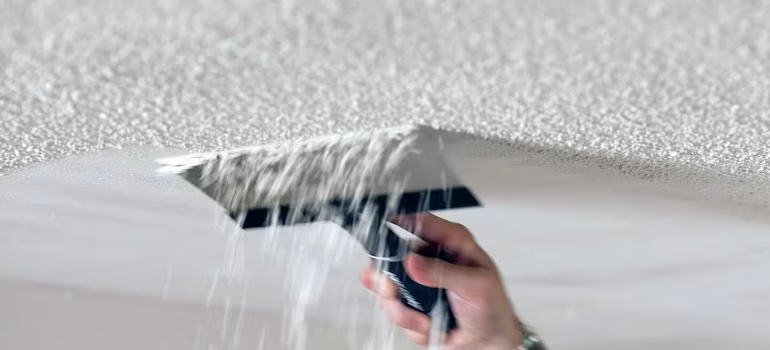
How To Remove Popcorn Ceilings

Popcorn ceilings were once the height of style, but today many homeowners in Winnipeg are eager to say goodbye to the outdated look. Removing a popcorn ceiling can modernize your space and make it feel larger, brighter, and cleaner—perfect for today’s interior design trends.

What You’ll Need:

  • Drop cloths, safety goggles, a spray bottle, scraper, and patience.

Steps:

  1. Test for Asbestos: Older homes in Winnipeg might have it. Call a pro if unsure.
  2. Wet the Surface: Mist with water to loosen.
  3. Scrape Gently: Use a wide putty knife.
  4. Sand & Smooth: Prepare for paint or texture.

Note: It’s messy. Very messy. Consider a pro if you’re not up for the cleanup.

Removing popcorn ceilings can greatly increase the value and aesthetic appeal of your home. Just make sure you take the proper precautions and prepare for a bit of a mess. If you’re not up for the challenge, hiring a local Winnipeg painting contractor can save you time, effort, and headaches while delivering a polished result.

Read More